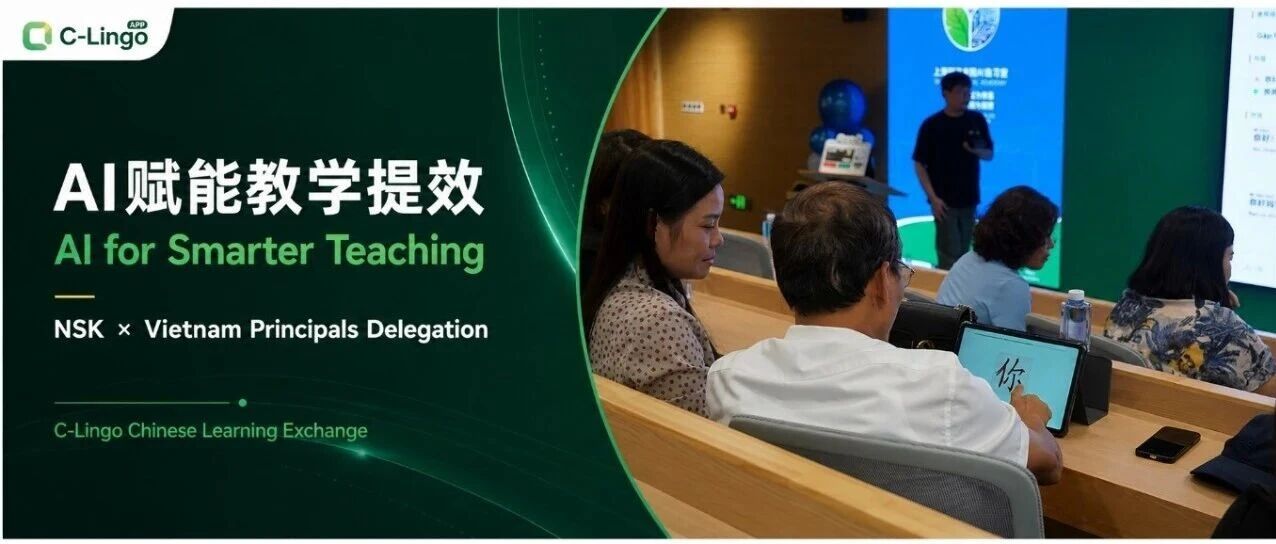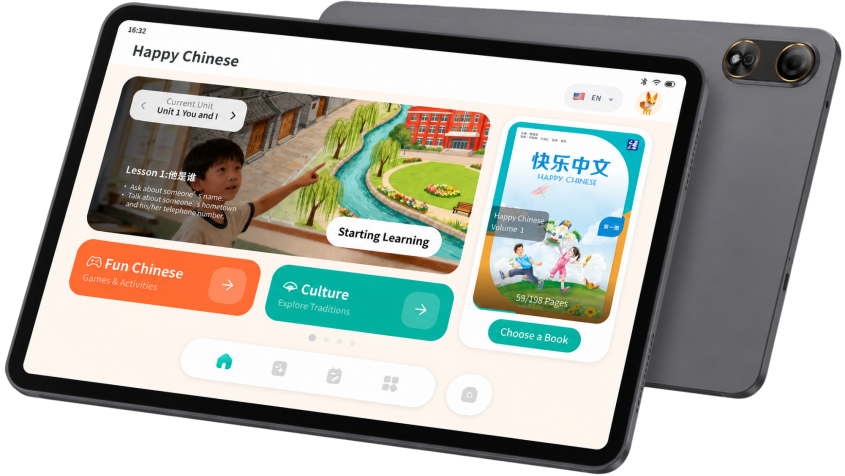

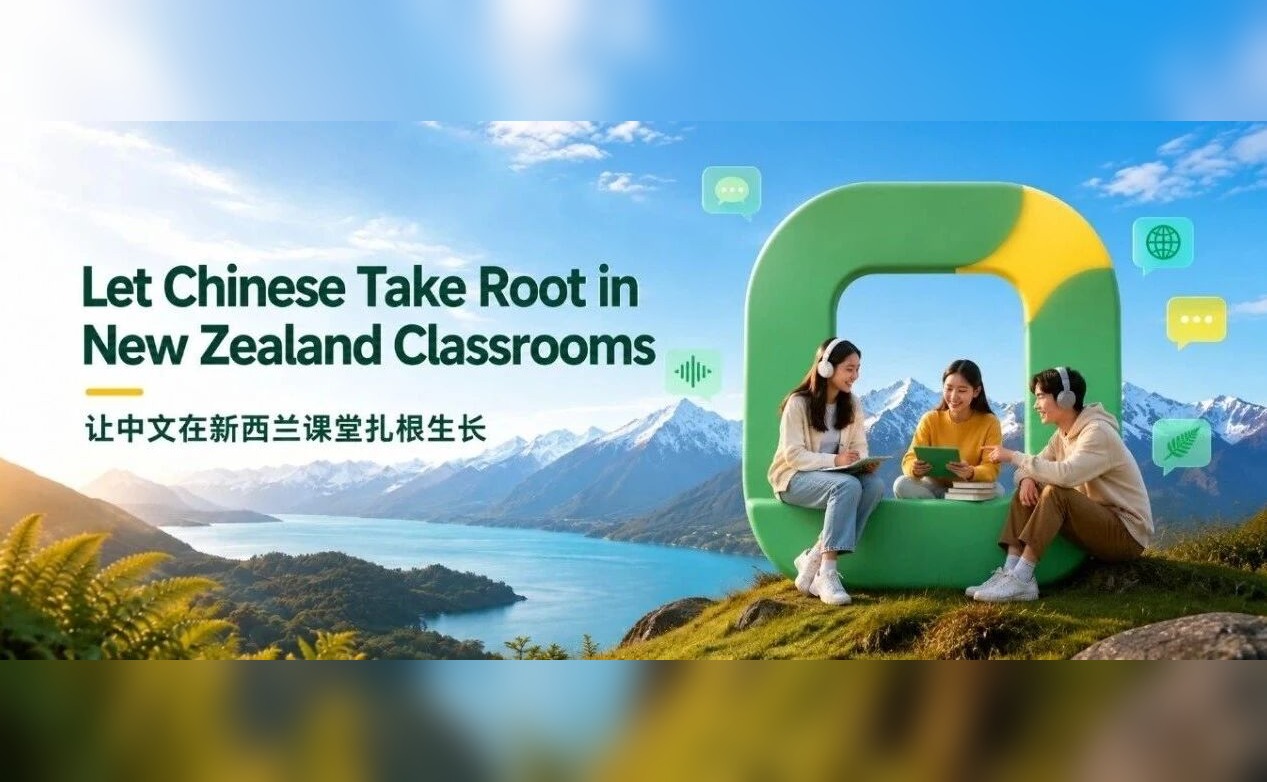







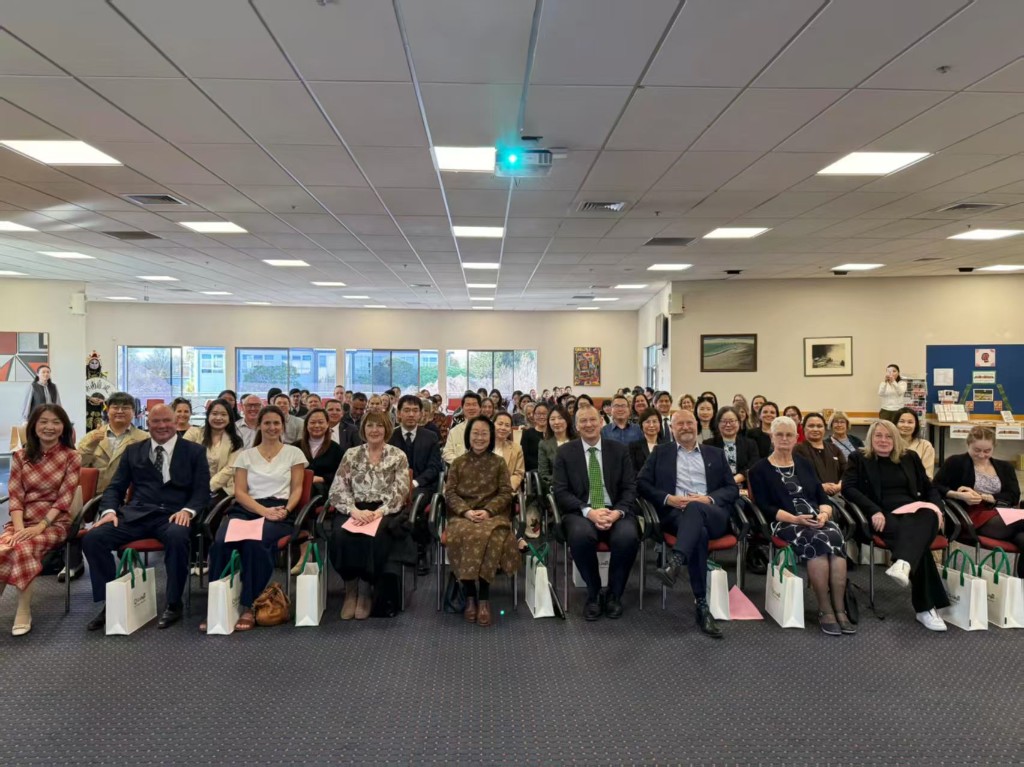

On 3 September 2026, New Zealand’s first Digital Chinese Language Model Classroom was unveiled at Burnside High School in Christchurch during the sixth China-New Zealand Education Cooperation Road Show. The classroom will use C-Lingo, NSK’s AI language learning brand, to support local Chinese teaching and classroom practice.
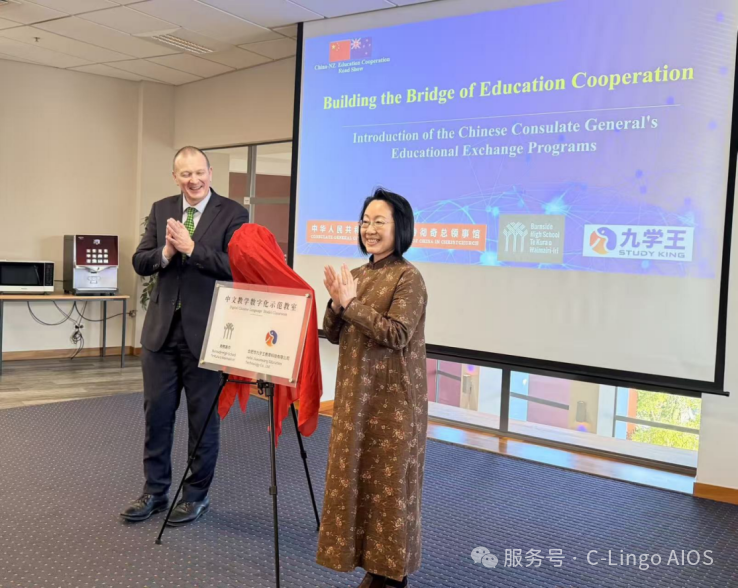
On 3 September, the Consulate-General of the People’s Republic of China in Christchurch hosted the sixth China-New Zealand Education Cooperation Road Show and the plaque unveiling ceremony for the Digital Chinese Language Model Classroom at Burnside High School.
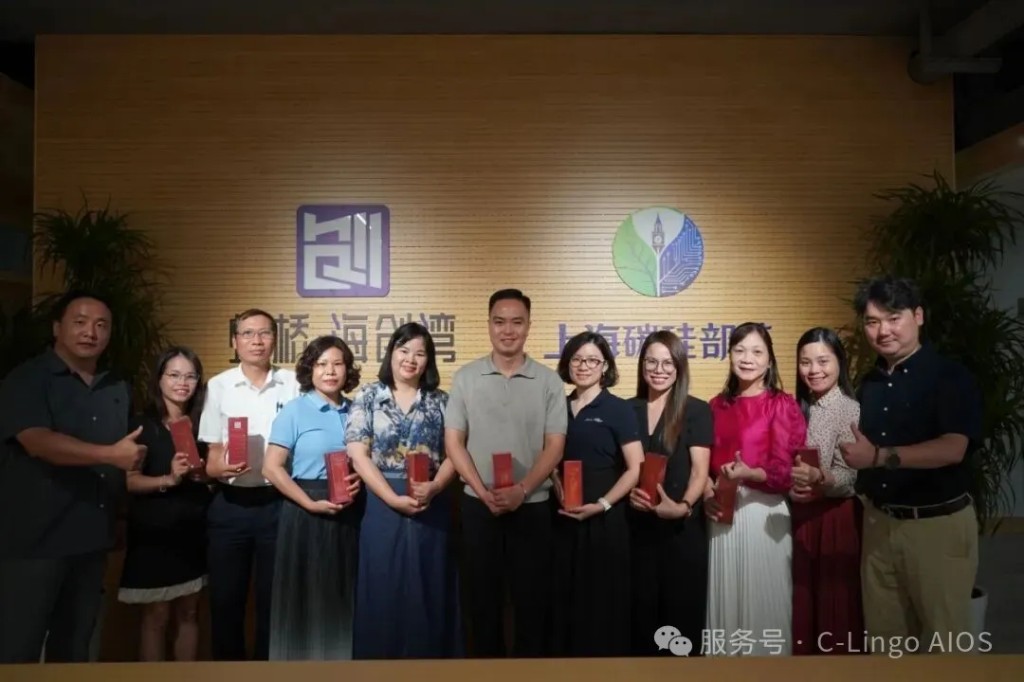
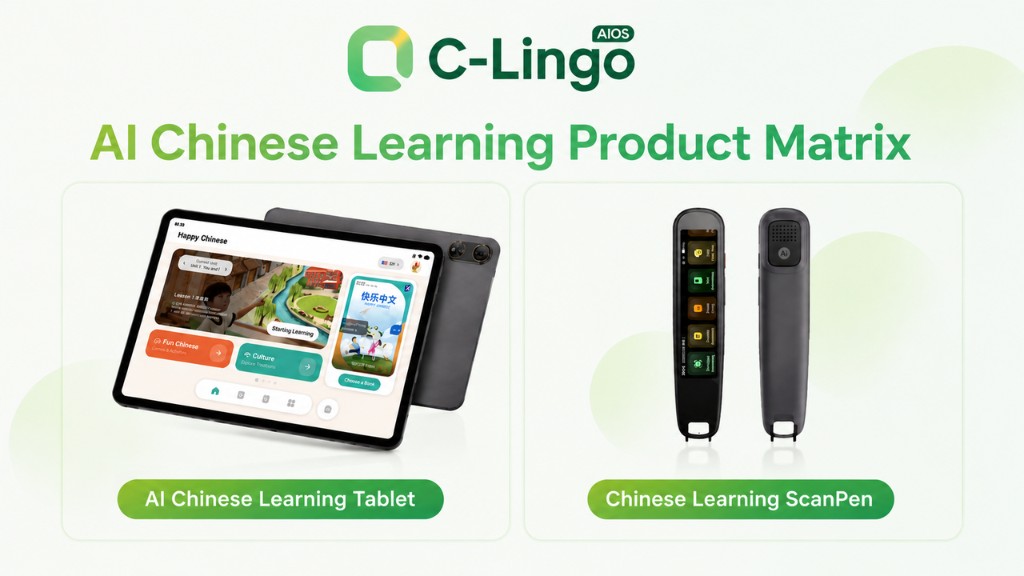
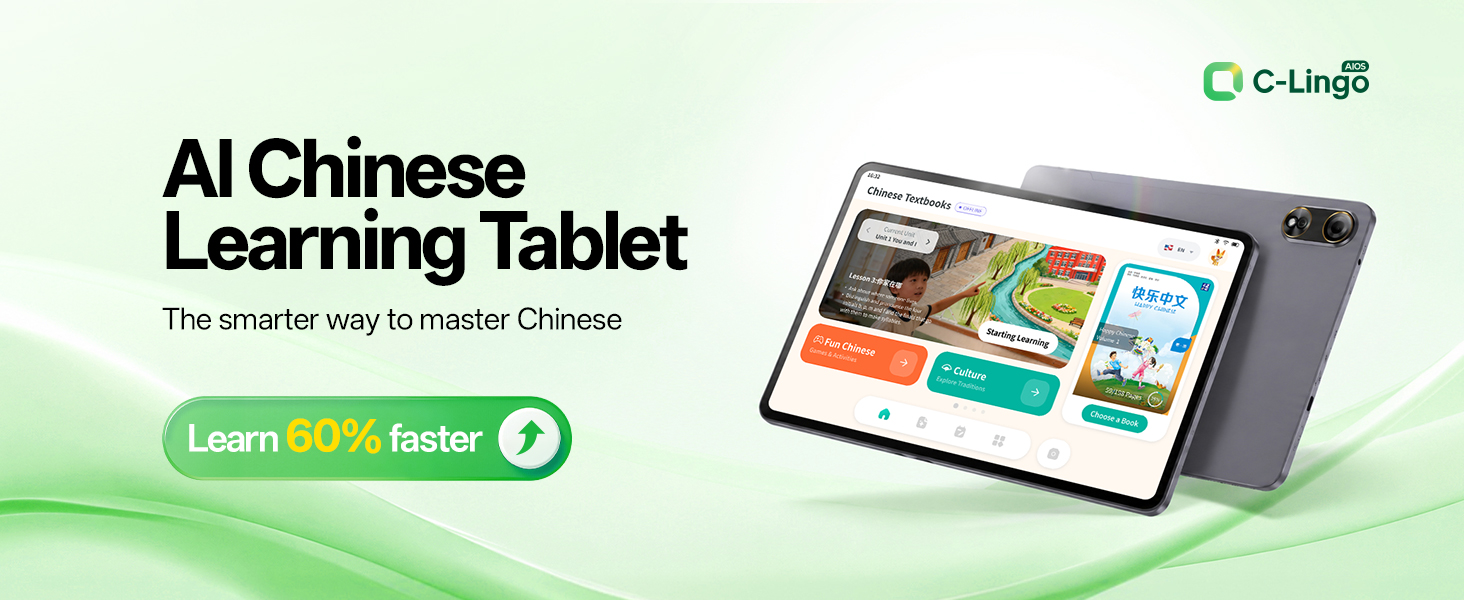
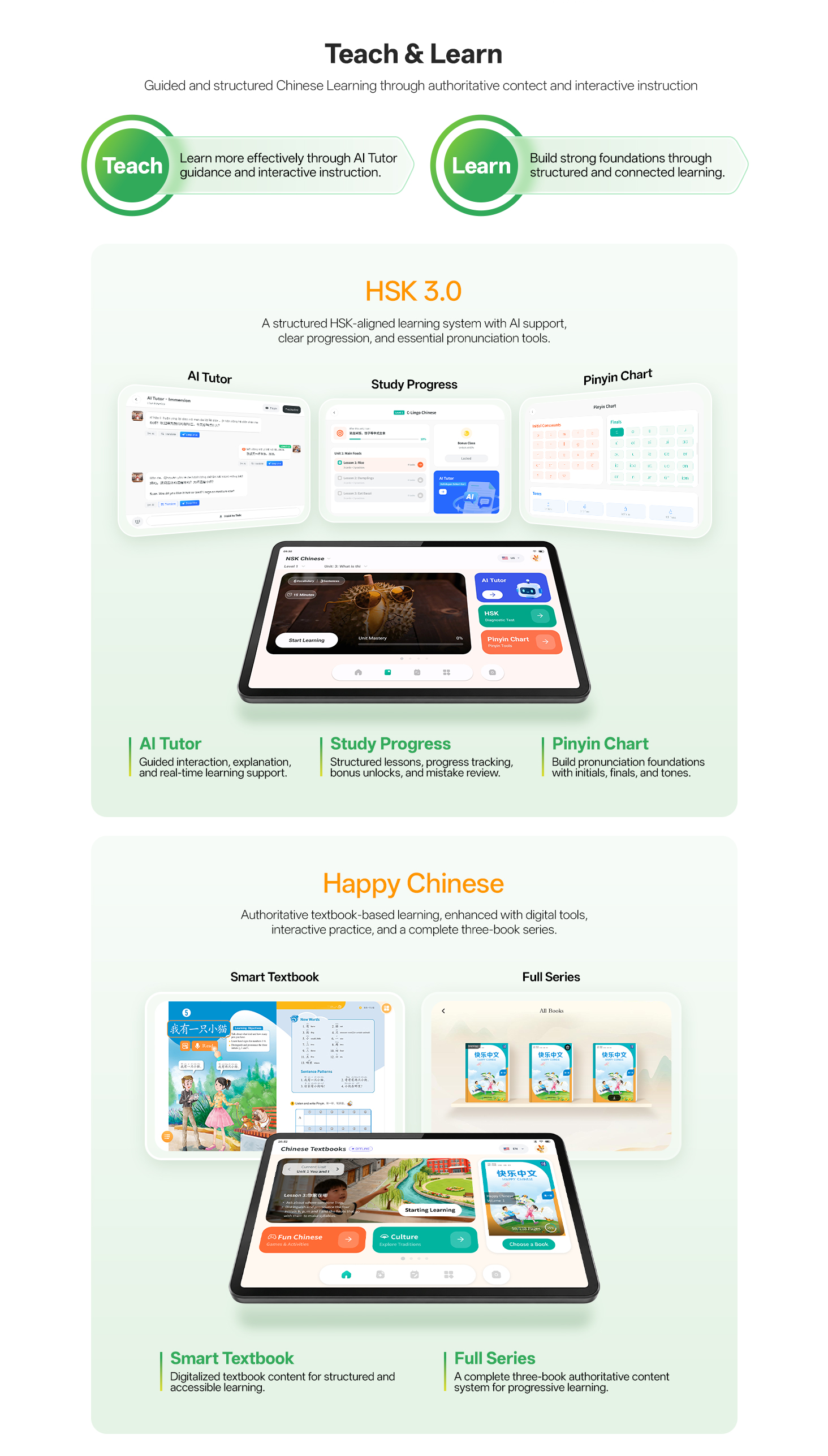
At the ceremony, Consul General He Ying and Burnside High School Principal Scott Haines jointly unveiled the plaque. C-Lingo Chinese learning products were also introduced into the model classroom to support digital Chinese learning. NSK presented C-Lingo Chinese learning tablets to student representatives, bringing digital learning tools closer to students’ everyday learning experience.
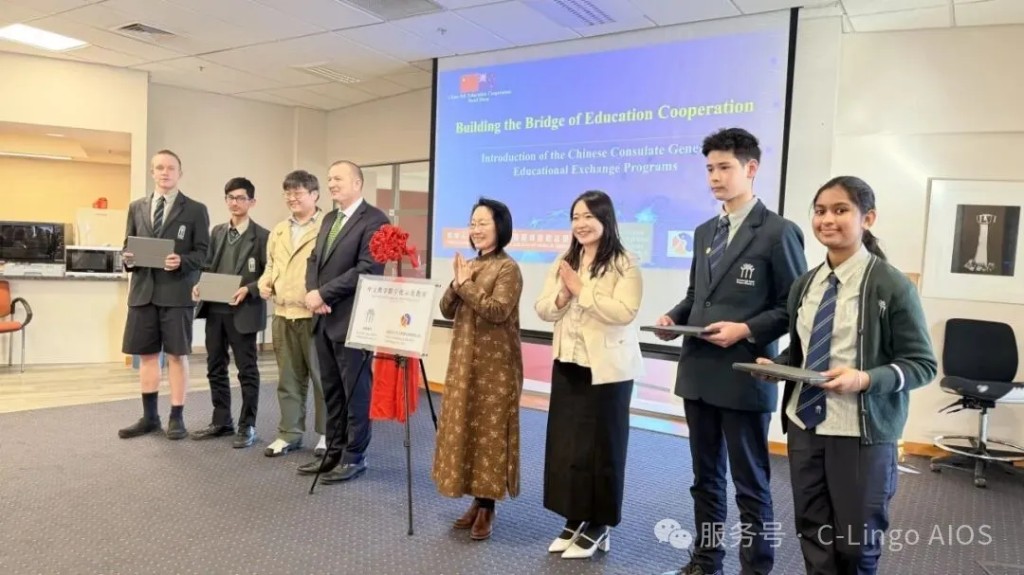
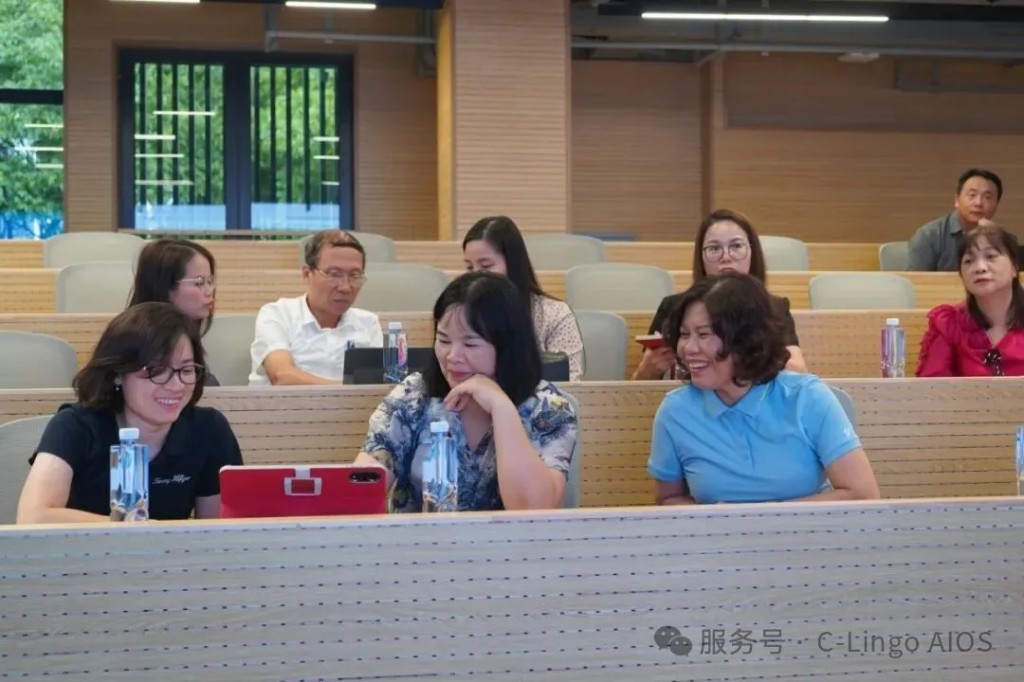
Consul General He Ying, Rosemary Gillies, Senior ESOL Verifier at the New Zealand Ministry of Education, Andy Walker, Business Development Manager at Education New Zealand, Stefi Porter, Partnership Manager at Christchurch Educated, Burnside High School Principal Scott Haines, and representatives from more than 20 local primary and secondary schools attended the event.
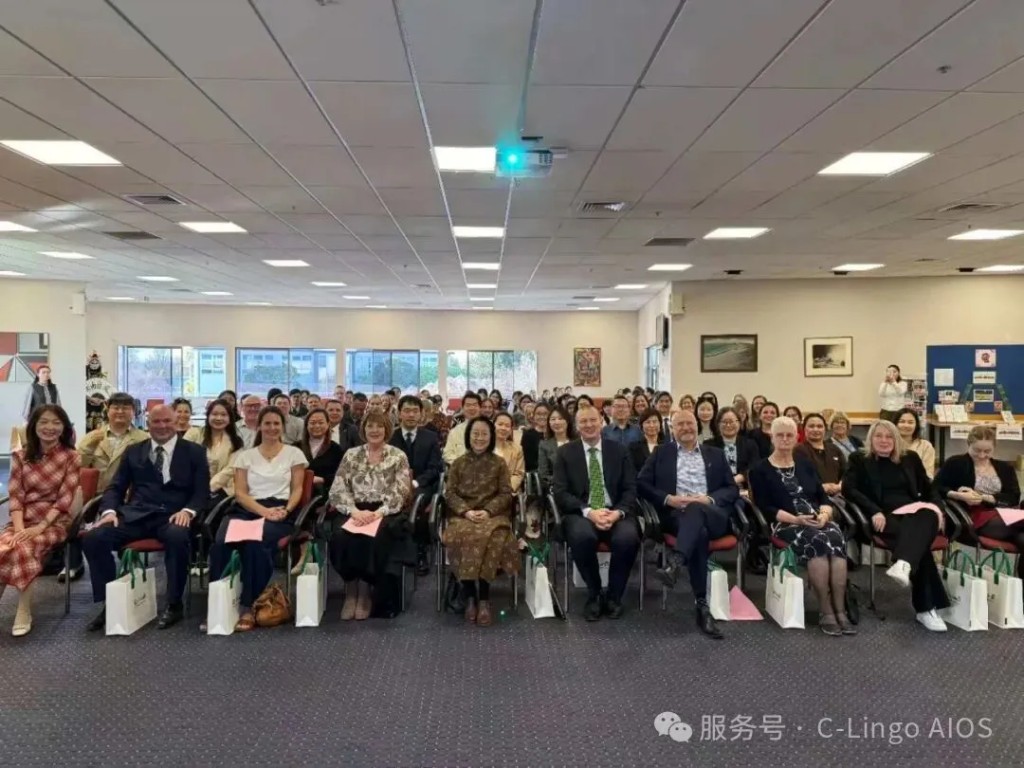
Consul General He Ying noted that the Consulate-General would continue to work with all parties to support deeper cooperation between education institutions in China and New Zealand, adding lasting momentum to friendship between the two countries.
Starting from One Model Classroom
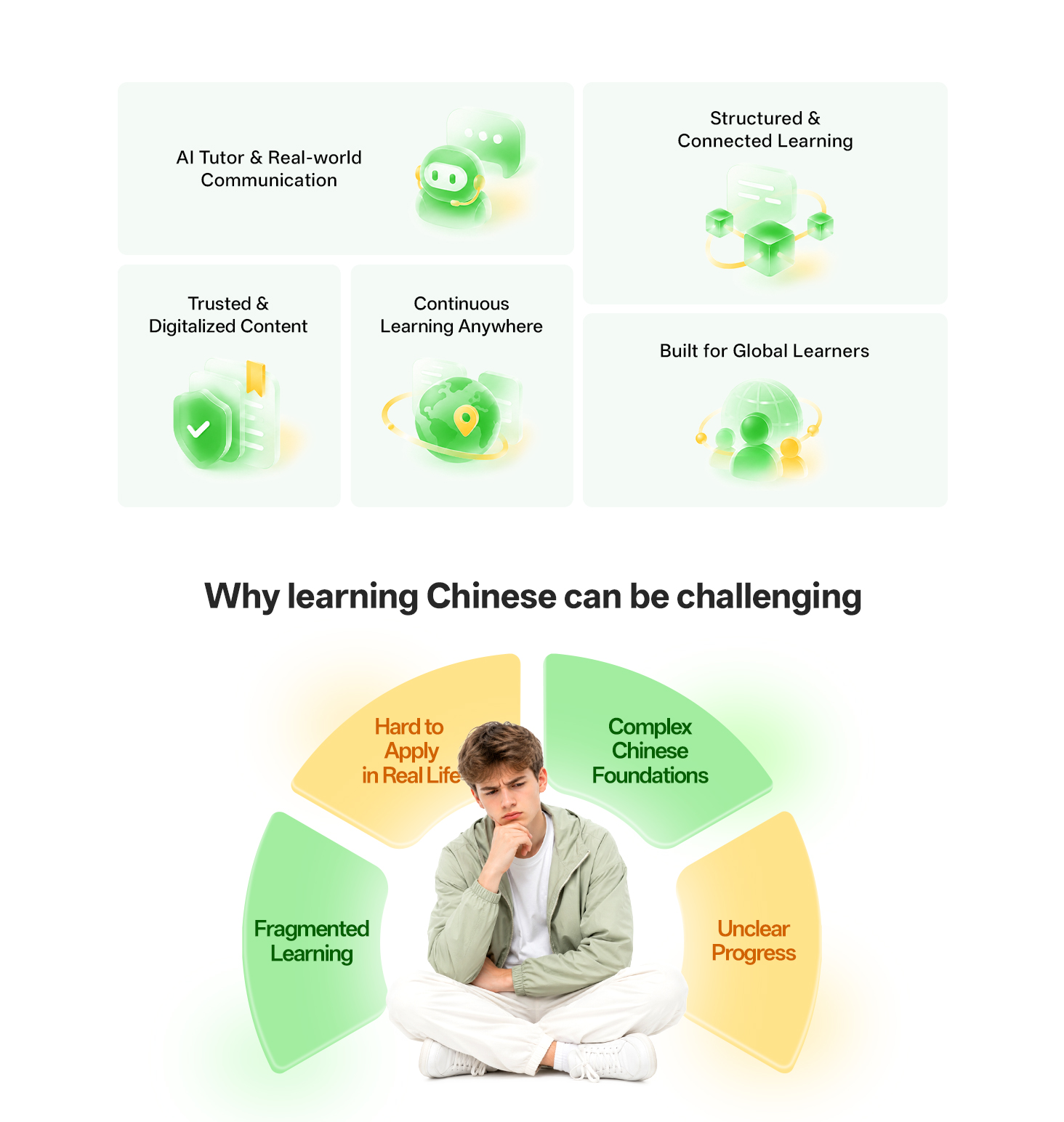
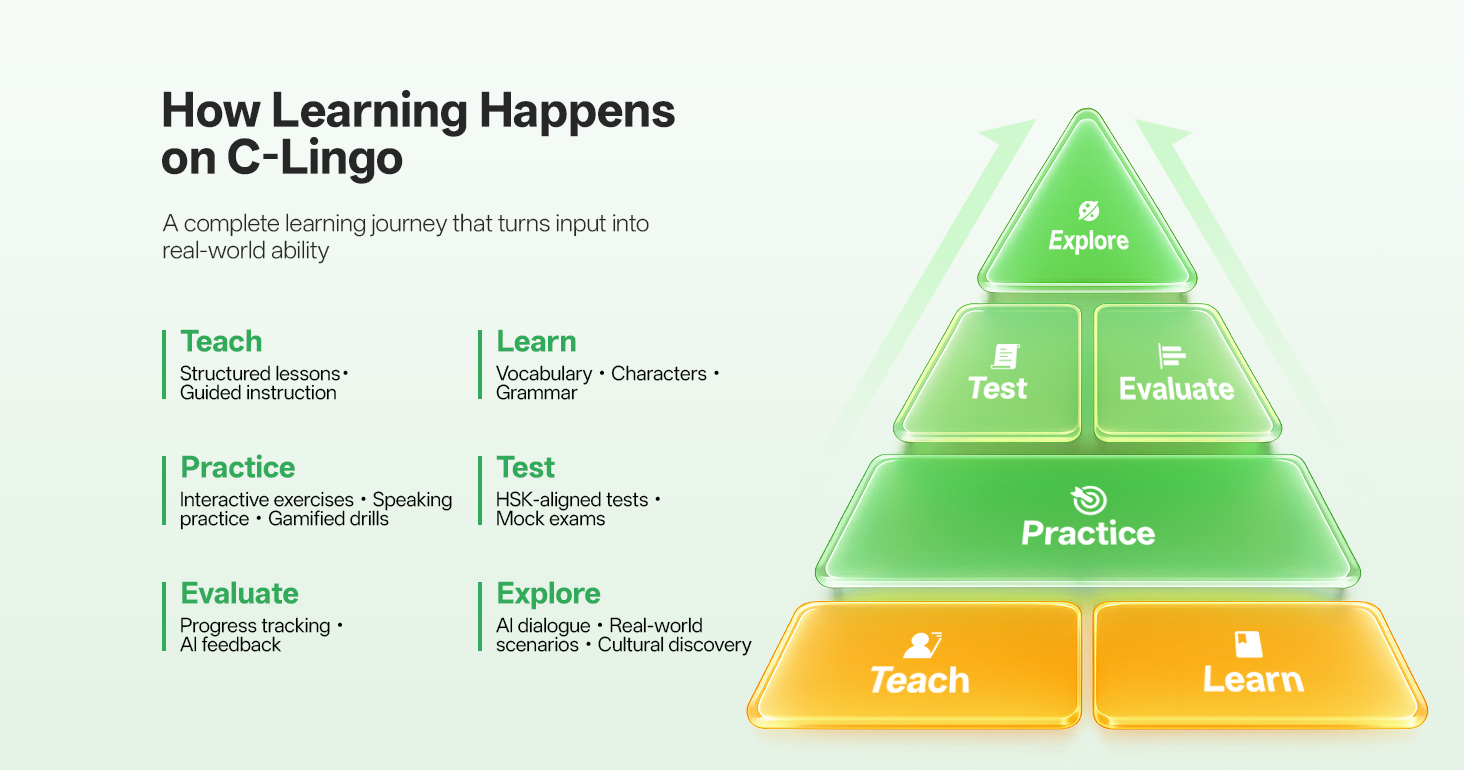
NSK has long focused on AI-driven global EdTech practice, exploring smarter and more sustainable approaches to learning. As NSK’s AI language learning brand, C-Lingo starts with Chinese learning and connects AI, content, smart devices and real learning contexts to explore more effective language learning experiences for learners worldwide.
The model classroom also brings C-Lingo Chinese learning products further into a local New Zealand classroom. In a real teaching environment, digital learning products can be connected with teacher-led instruction, student learning processes and the school’s practical needs, creating opportunities for continuous observation, validation and improvement.
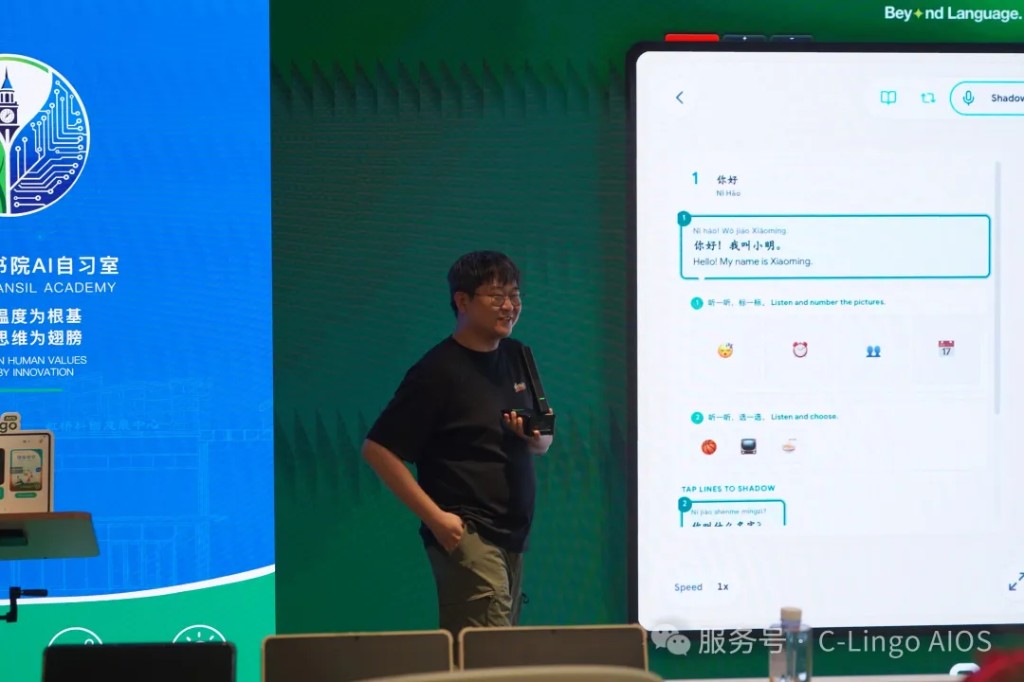
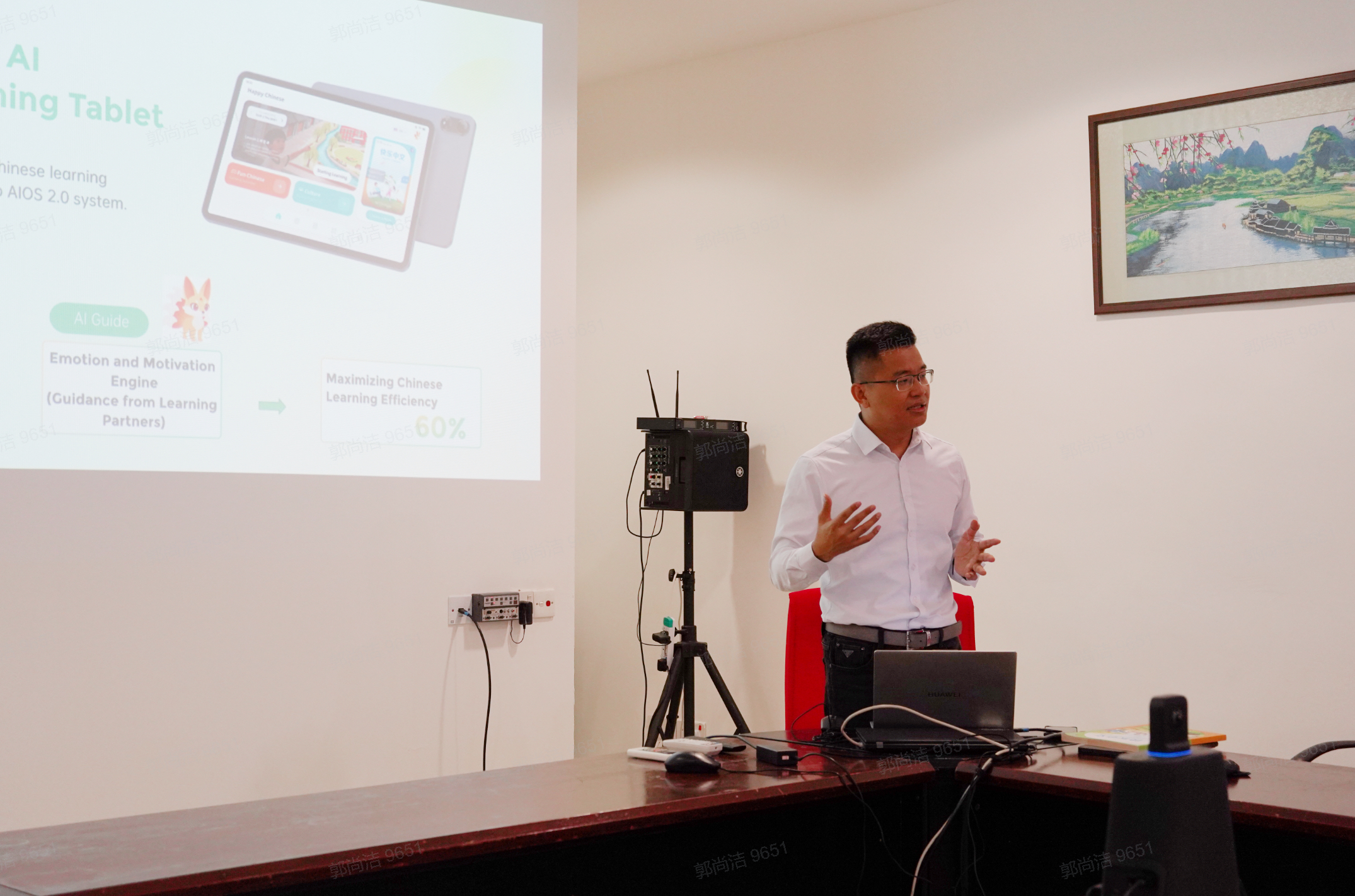
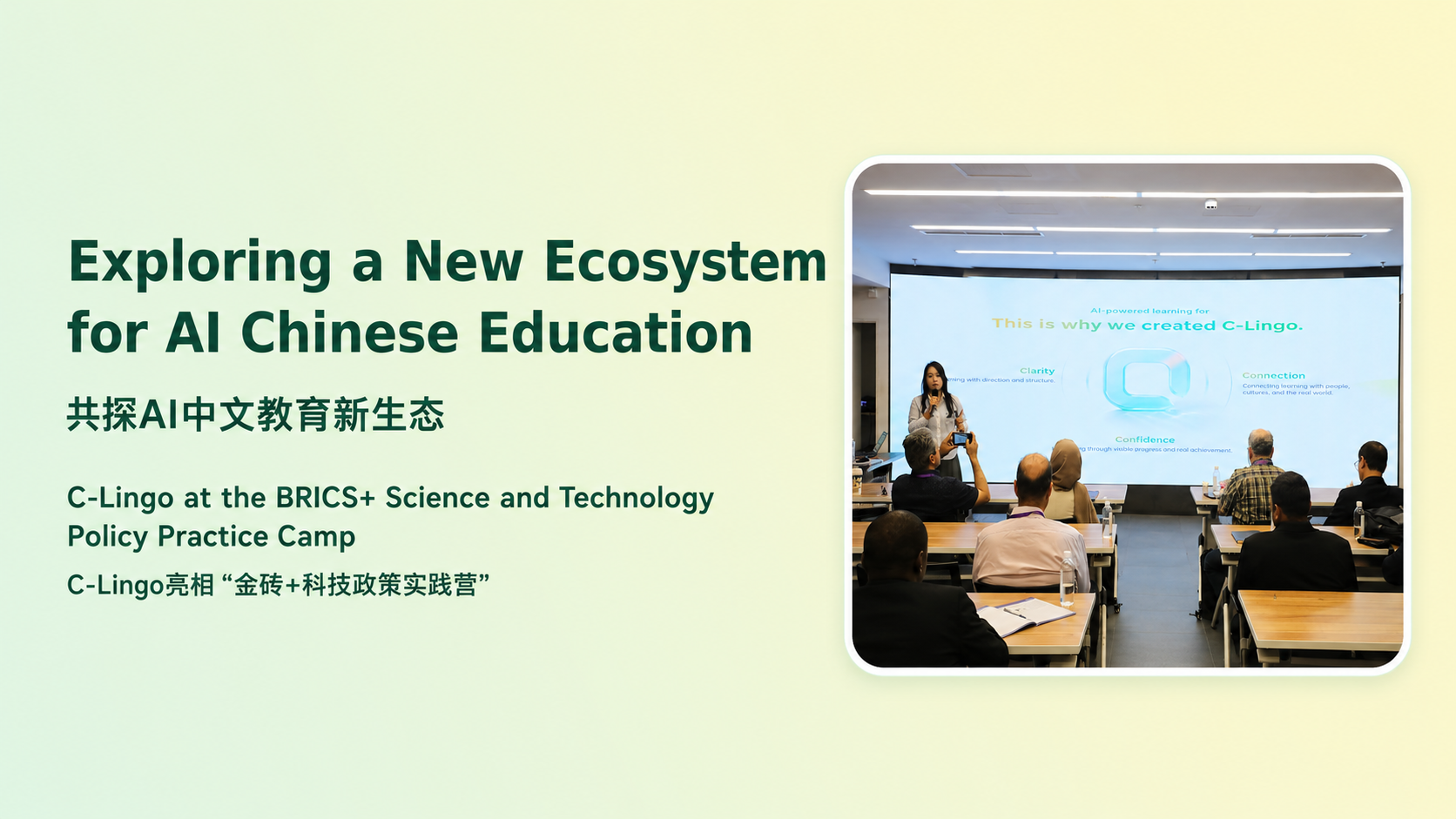
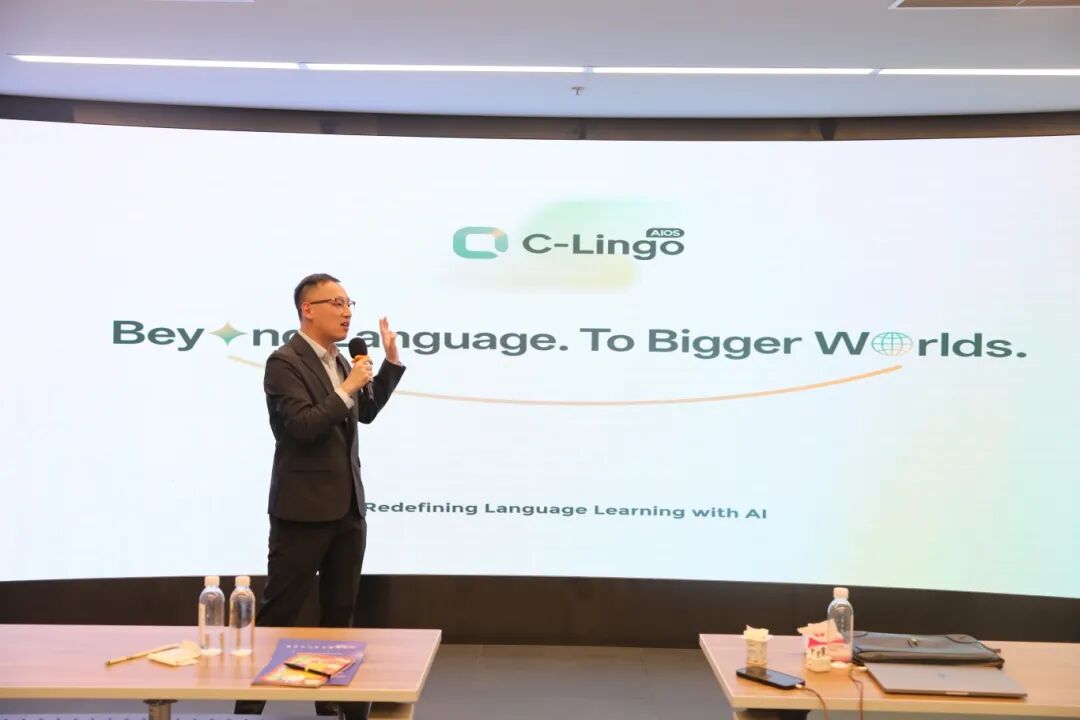
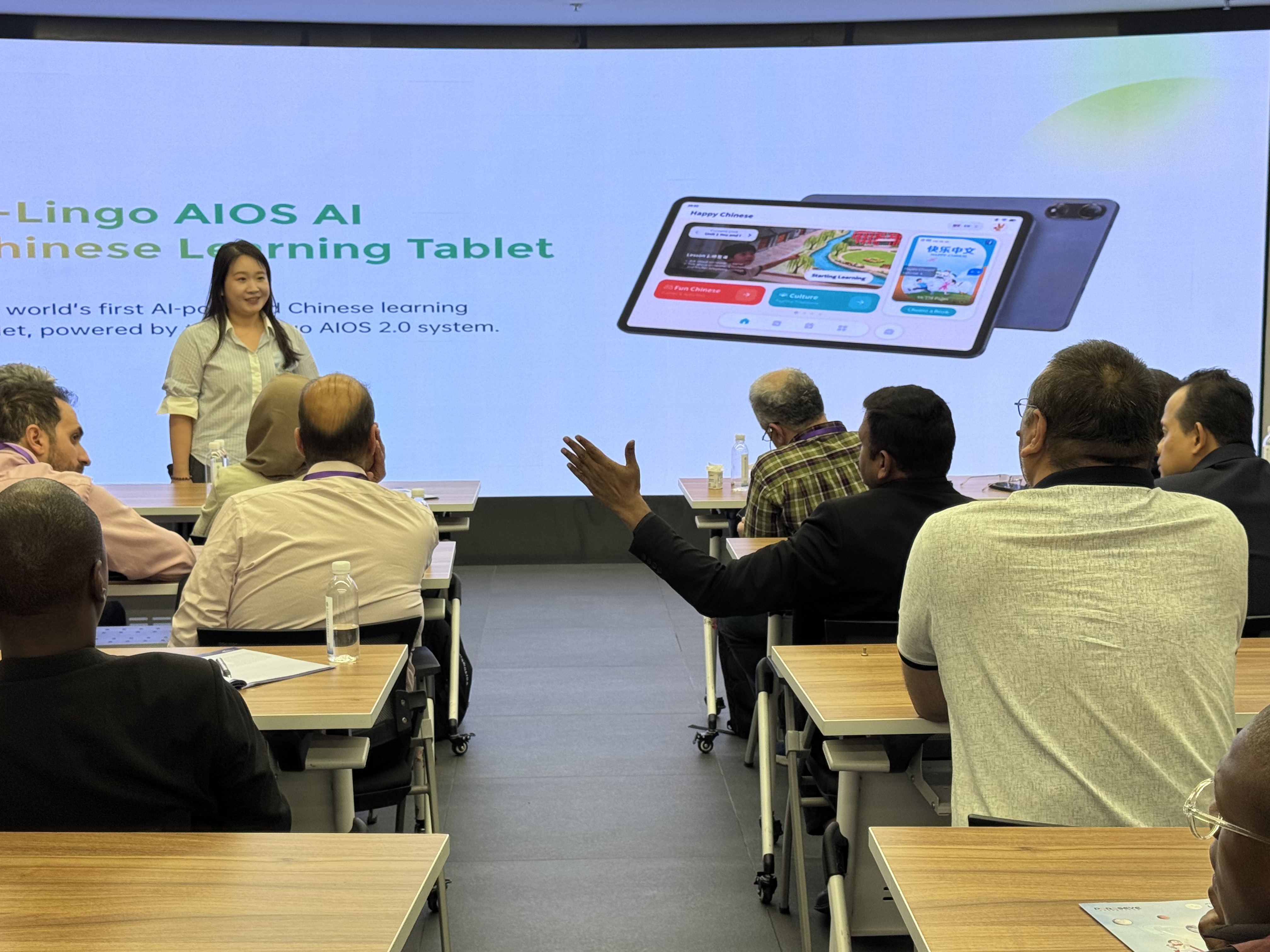
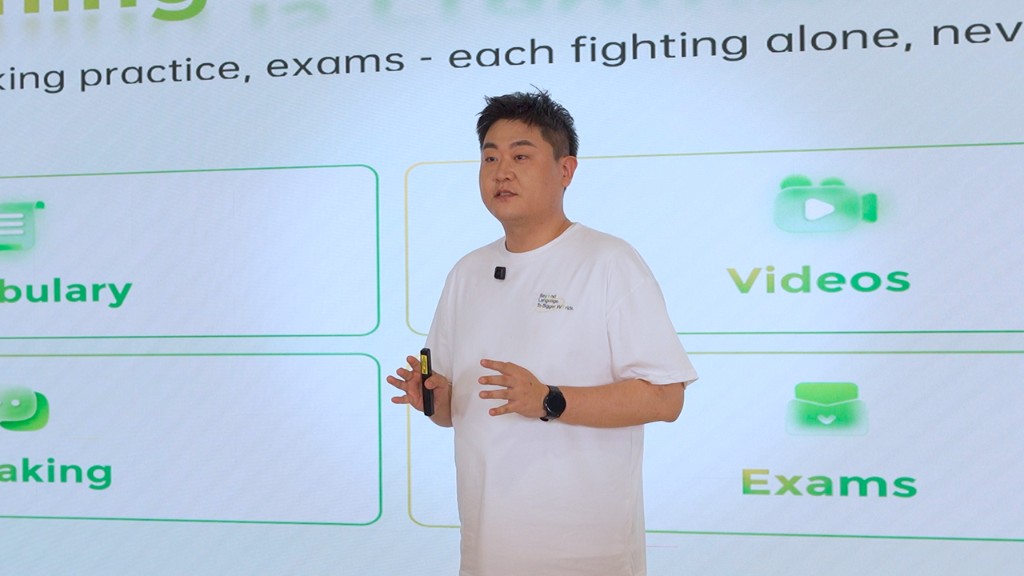
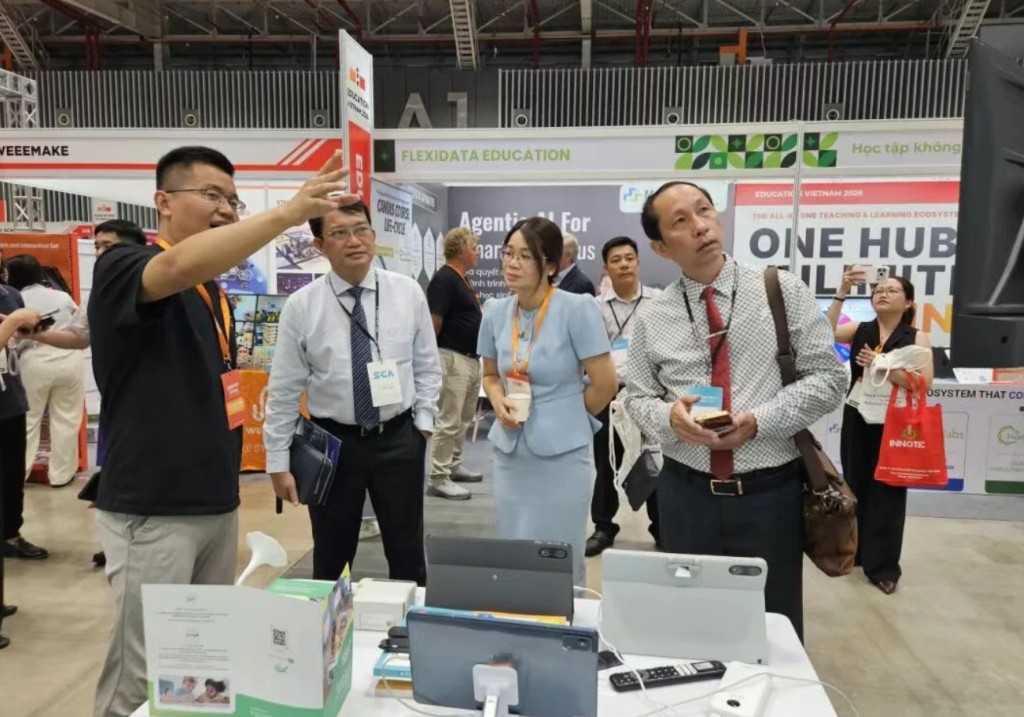
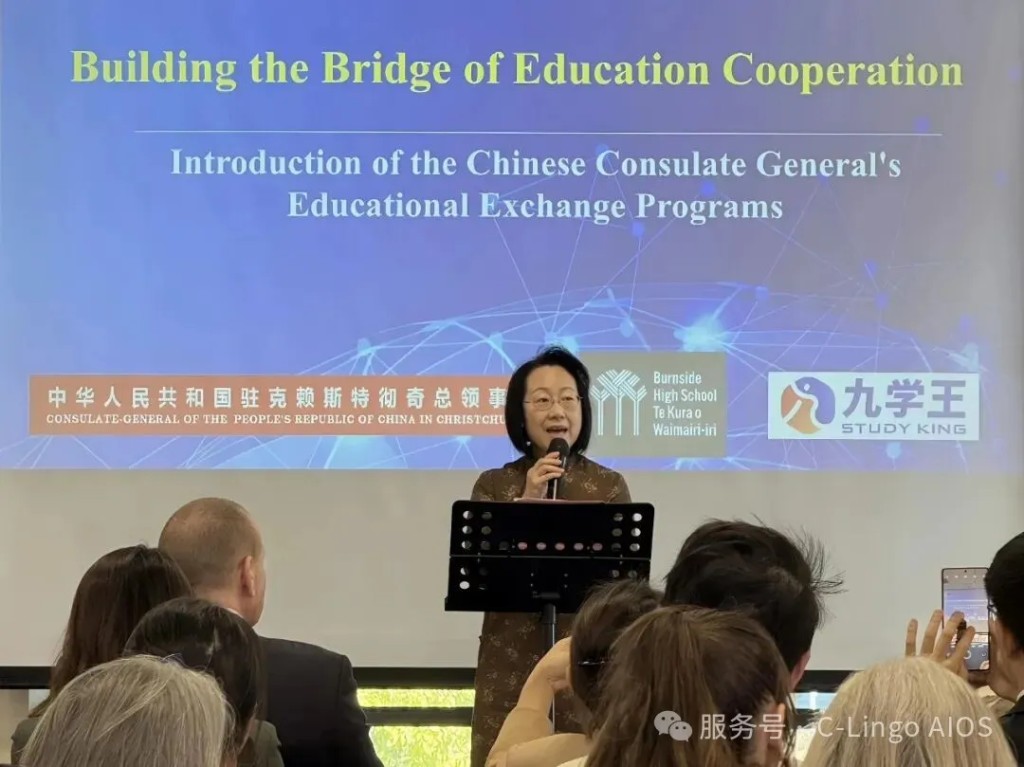
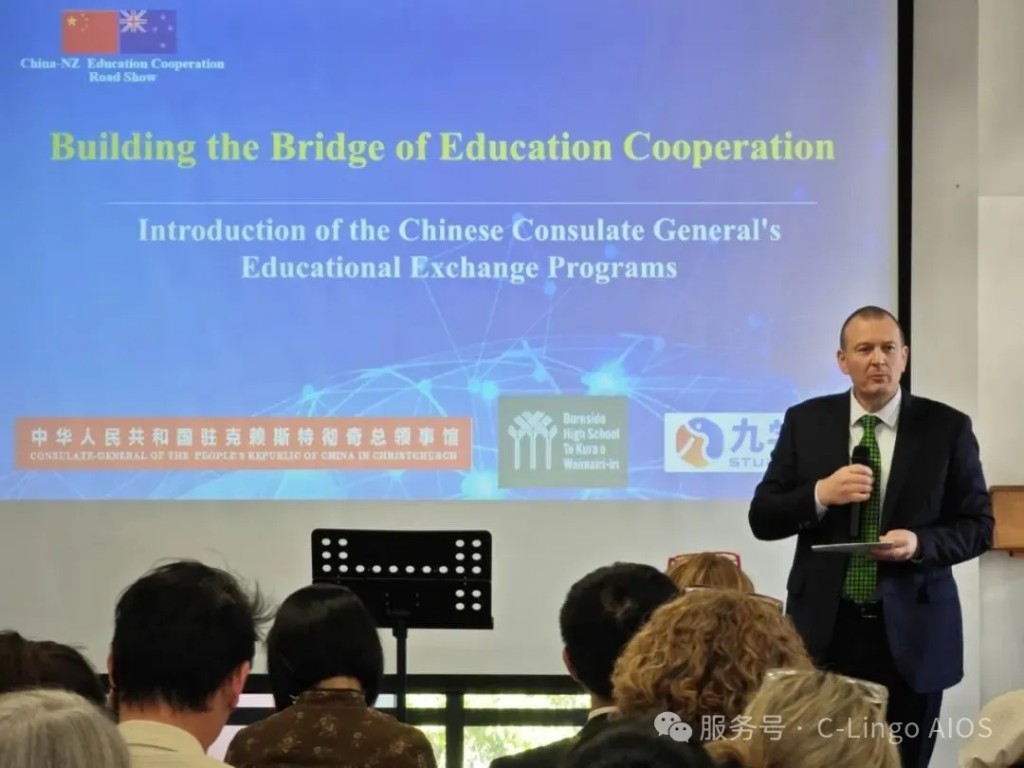
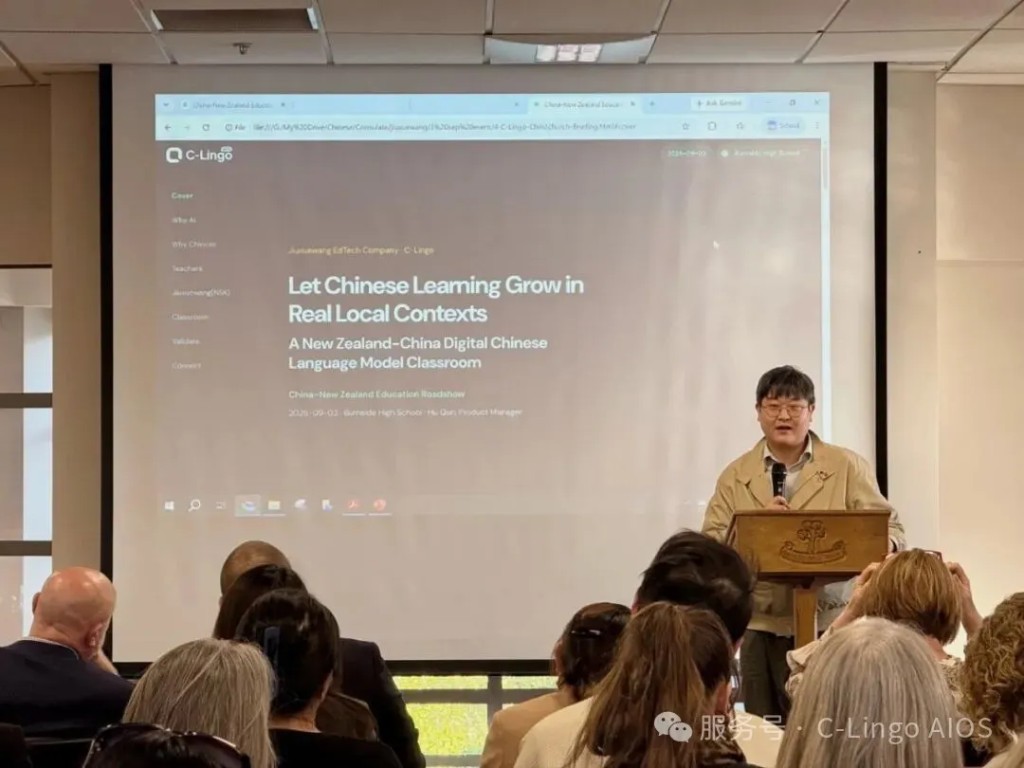
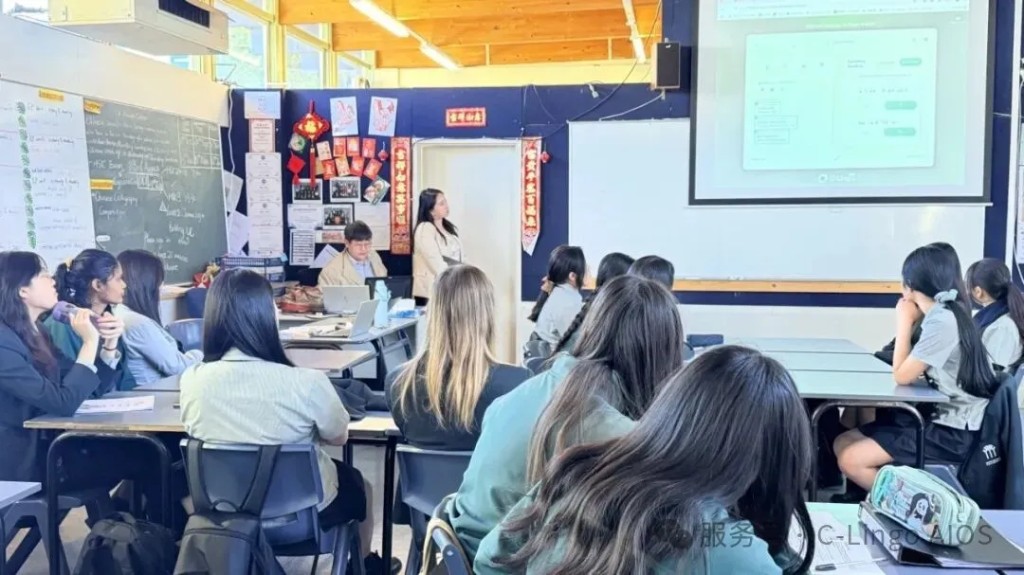
During the event, Education Consul Shen Jian introduced the Consulate-General’s education programmes. Principal Scott Haines shared Burnside High School’s experience in promoting Chinese language and Chinese culture on campus. NSK Product Manager Max Hu then introduced the Chinese + AI teaching project and the development approach behind the Digital Chinese Language Model Classroom.
AI in Service of Teachers & Students
In the presentation, NSK emphasized that the rapid development of AI is reshaping the starting point of language learning. Translation, transcription and multilingual tools are becoming increasingly accessible. Yet this does not make language learning less important. On the contrary, when technology helps people cross basic communication barriers, the value of truly owning a language becomes clearer.
Language is more than information transfer. It carries context, culture, relationships and a learner’s own voice.
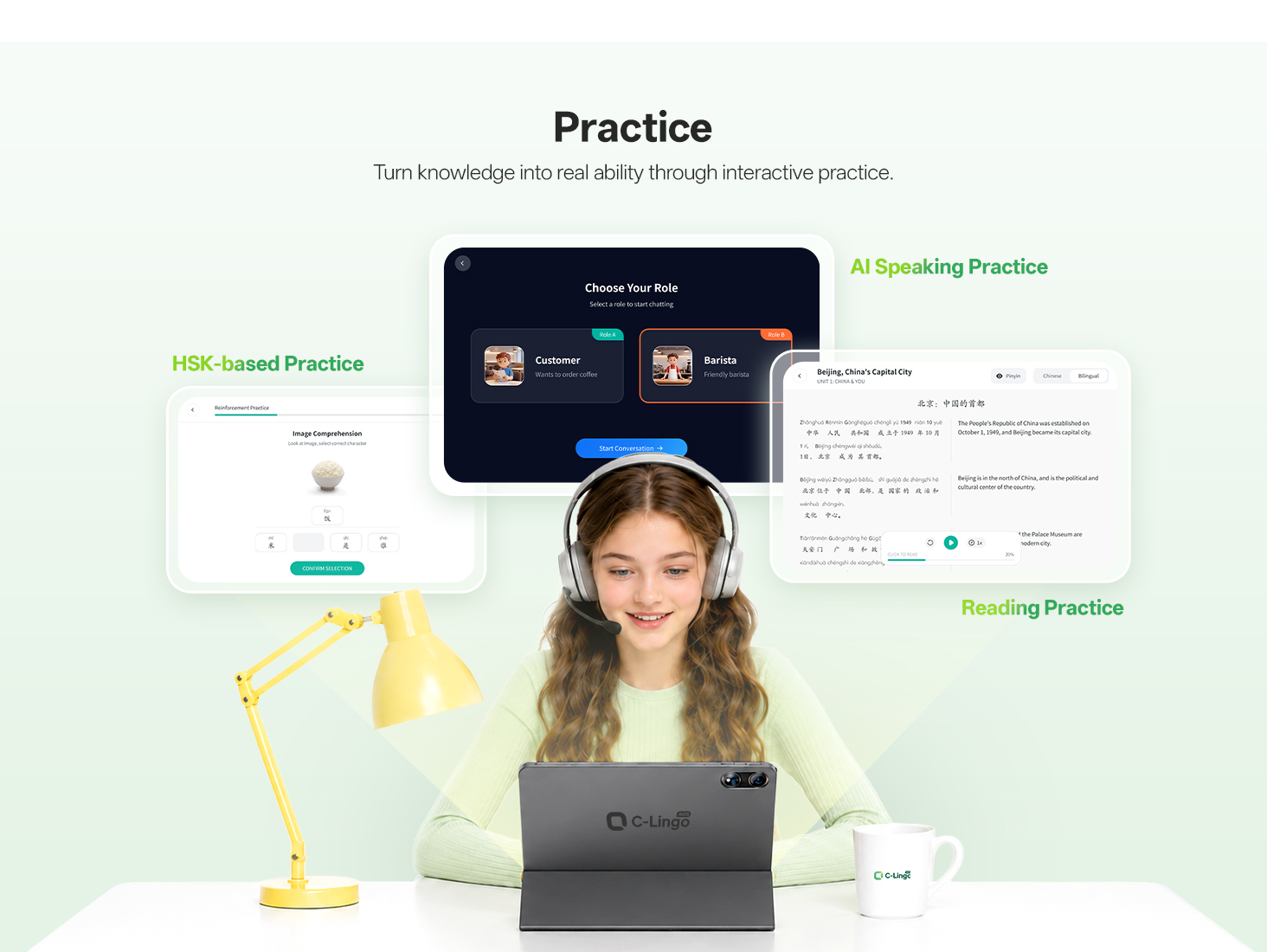
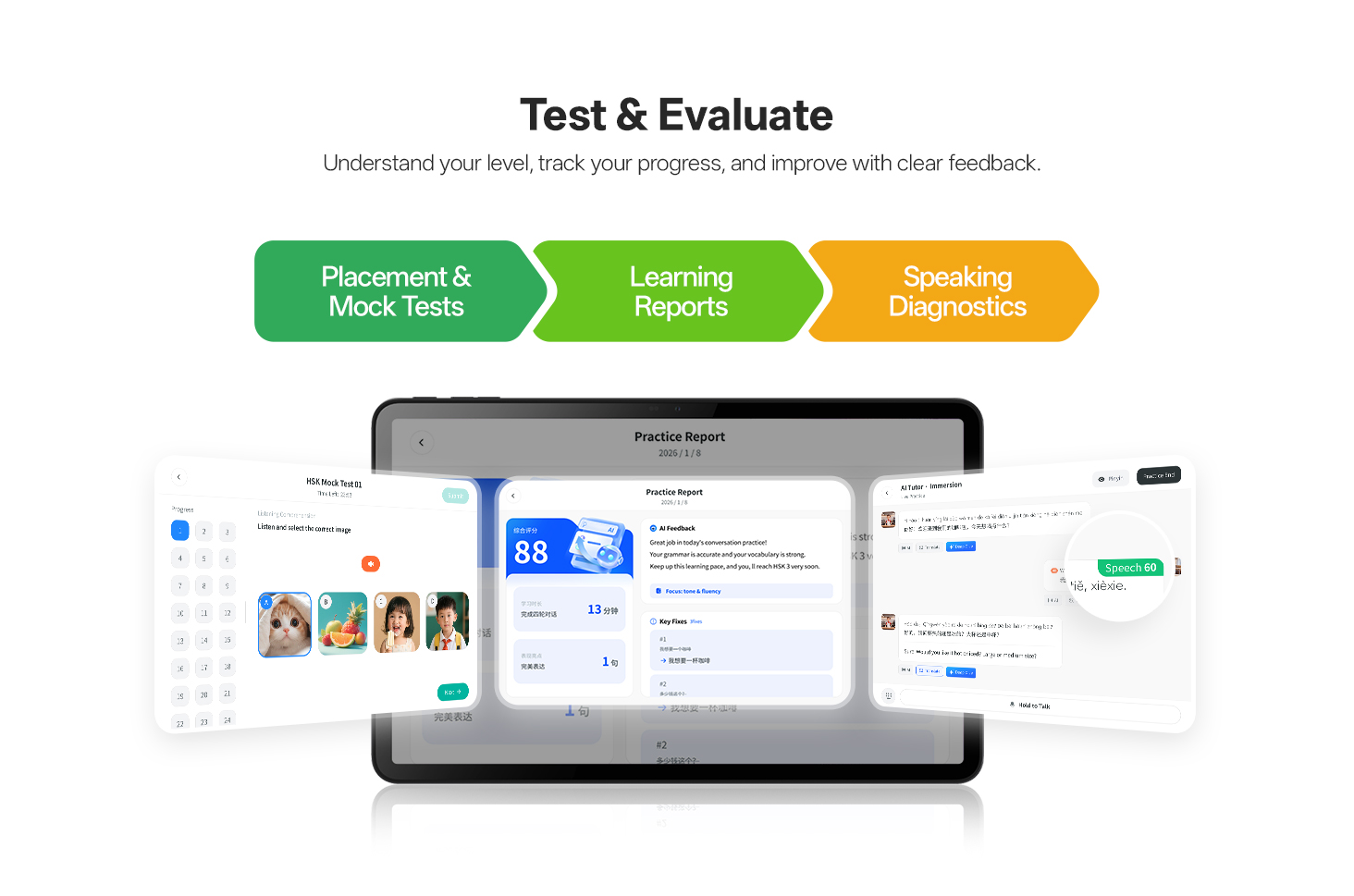
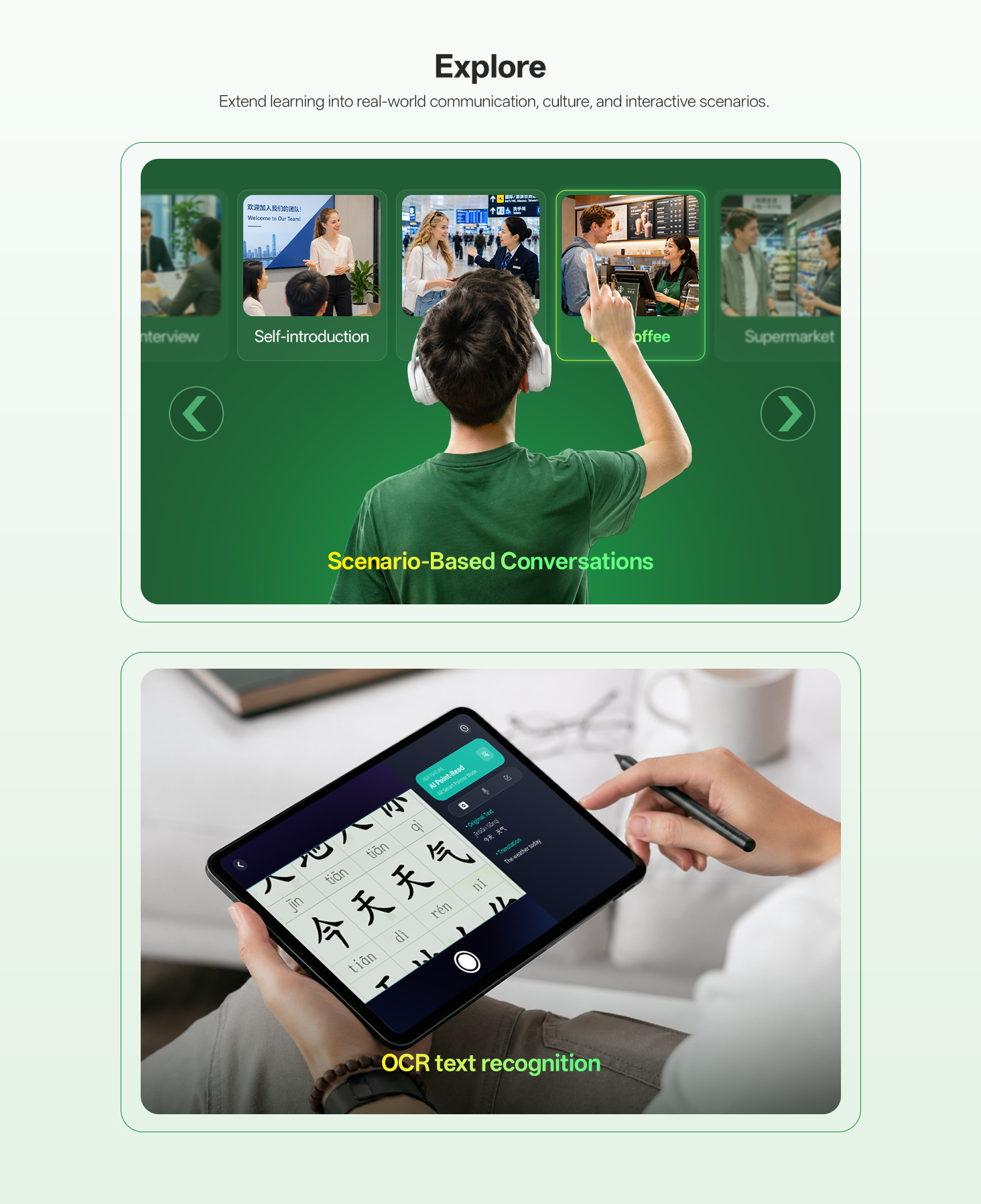
Through C-Lingo, NSK aims to support Chinese learning that goes beyond pinyin, translation and test practice. The goal is to help students understand Chinese, use Chinese, express themselves in Chinese, and connect with different people and cultures through Chinese in real local contexts.
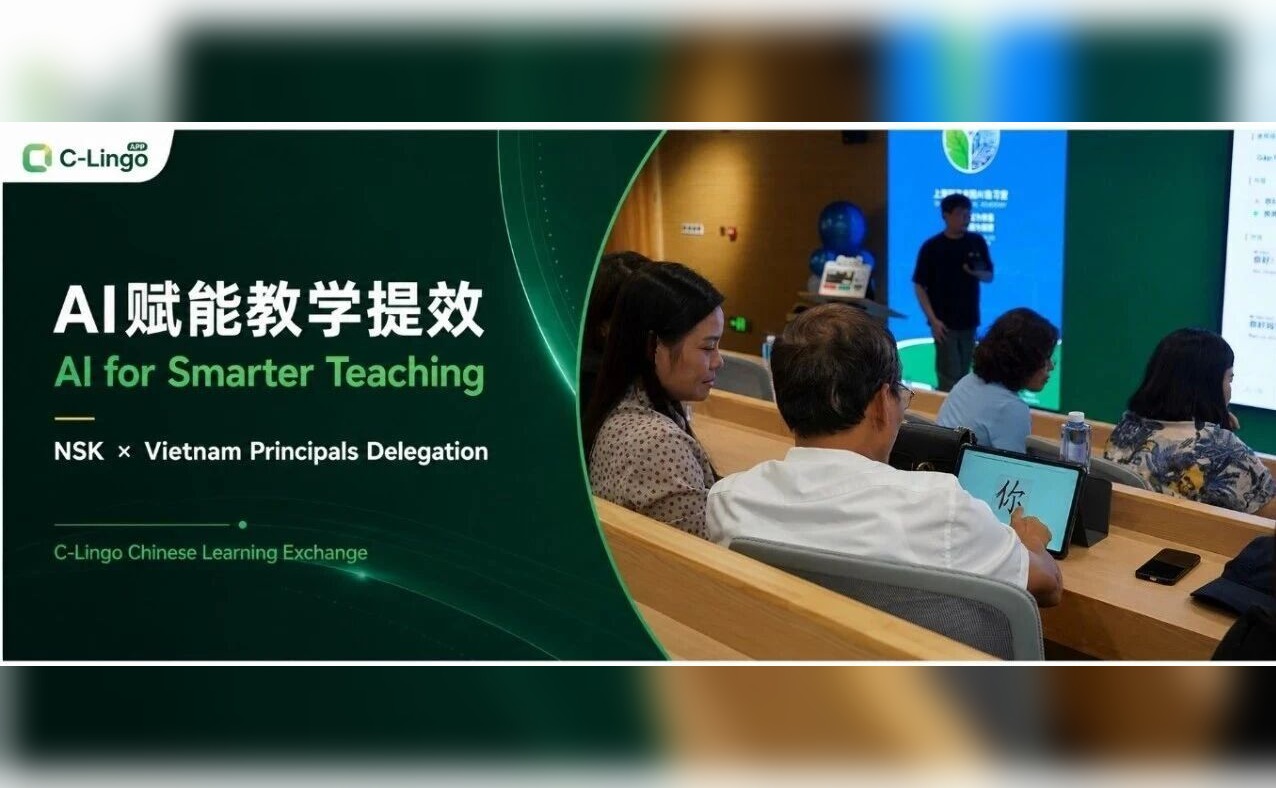
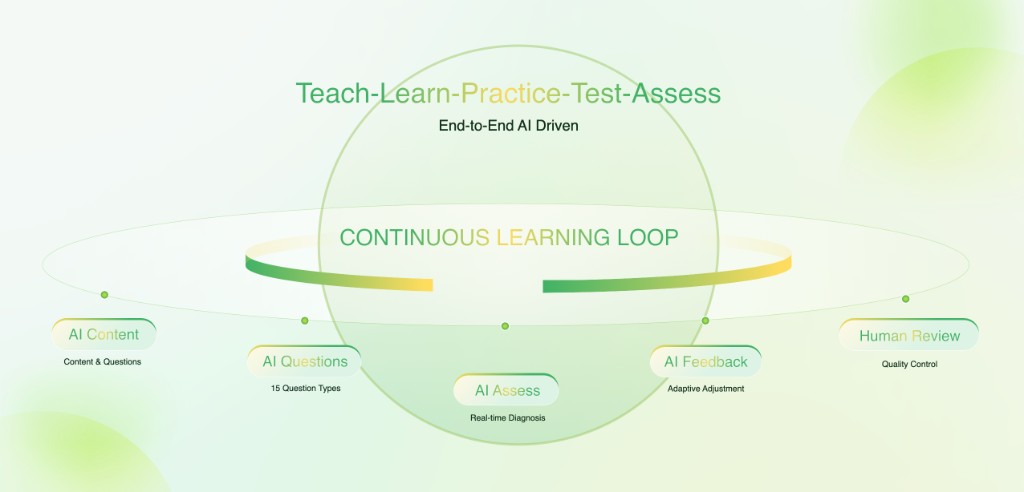
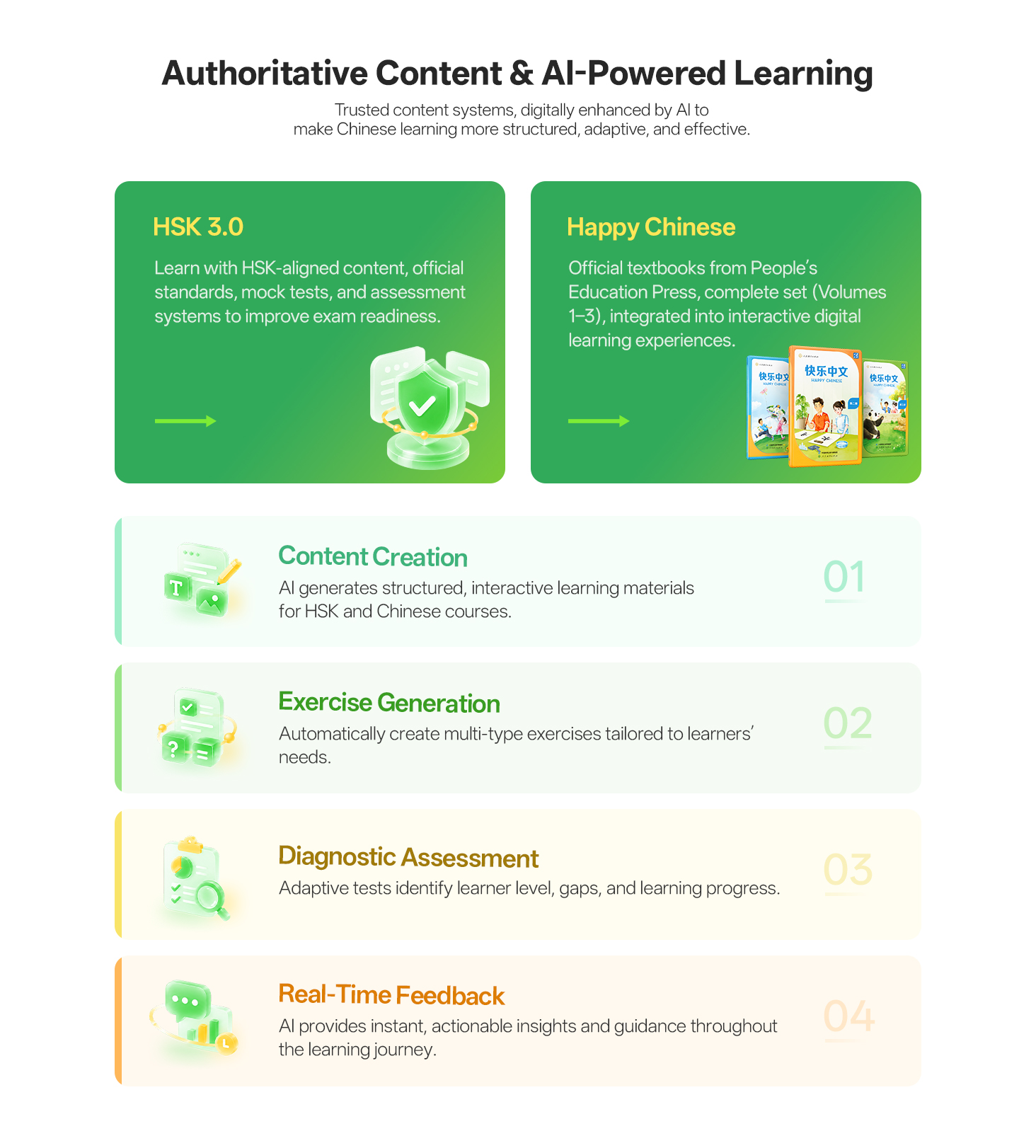
AI should not replace teachers, nor should it speak on behalf of students. Its better role is to become a support system around teachers and learners: reducing repetitive work for teachers, making learning processes more visible and structured, supporting timely feedback, and helping students build real language ability through sustained practice and authentic use.
Teachers at the Center
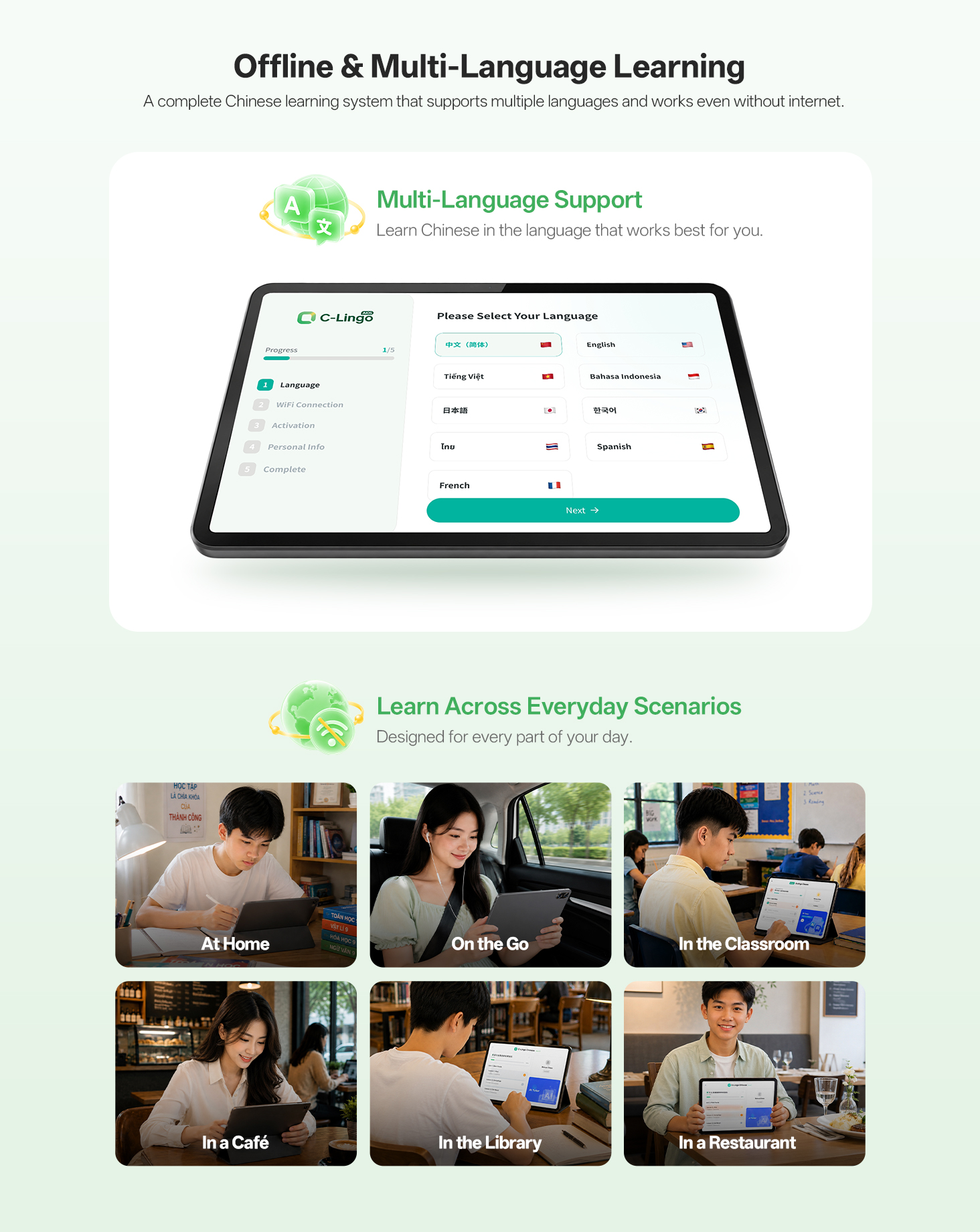
In the Digital Chinese Language Model Classroom, local teachers remain at the center of curriculum, content and pedagogy. Through C-Lingo, NSK provides support designed around the school’s needs, including localized content customization, software-hardware integration, learning-process support and an offline-first learning approach suited to campus environments.
This means learning can begin in a safer, more controllable and more trusted school setting, with online capabilities providing additional support when appropriate.
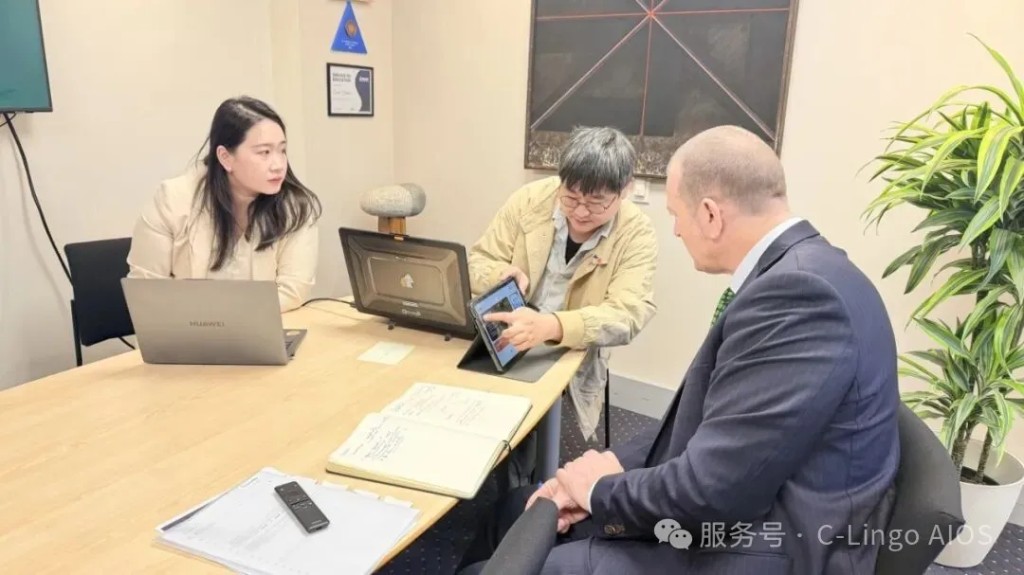
Through C-Lingo, NSK hopes to work with local schools and teachers to test the questions that matter most: what content truly fits local learners in New Zealand, what tools genuinely reduce the burden on teachers, and what learning process can help students move from doing exercises to actually using Chinese.
A Friendship Tree for Ongoing Exchange
Beyond the plaque unveiling ceremony, NSK representatives also joined a friendship-tree planting activity at the Consulate-General’s Friendship Garden. As the tree takes root in the soil, it also symbolizes educational cooperation growing steadily through long-term exchange.
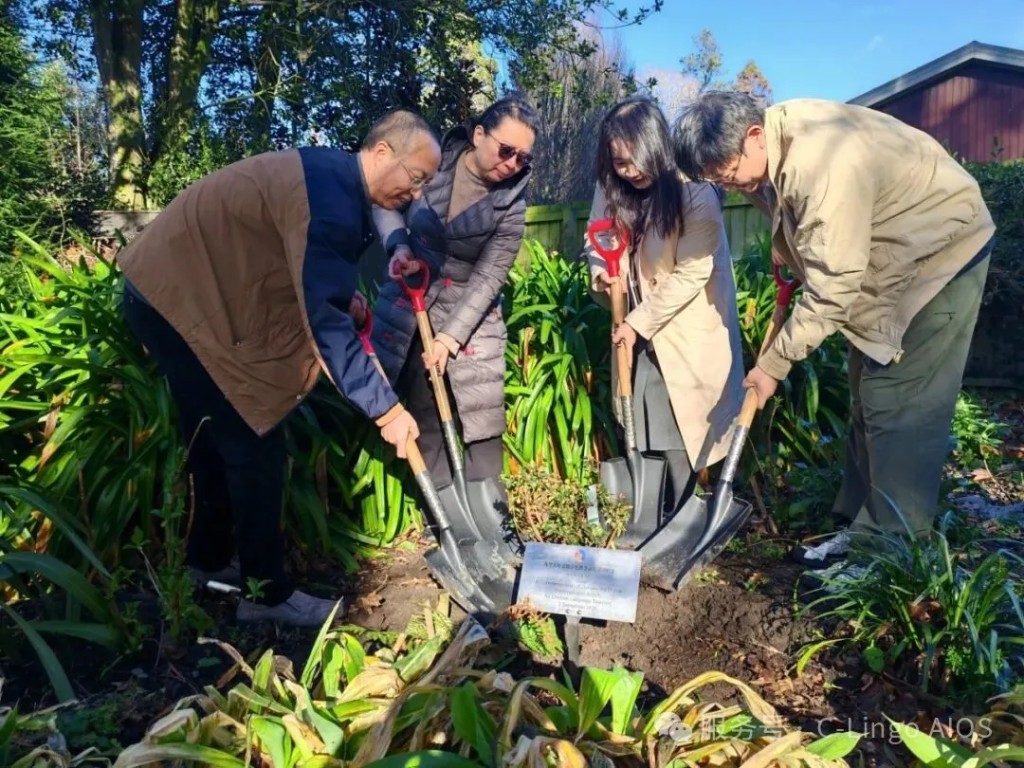
From the friendship tree to the model classroom, and from education exchange to classroom practice, NSK hopes to build deeper and more sustainable partnerships with local schools, teachers and education institutions, enabling Chinese learning to take root in real local education settings and support students’ long-term growth.
Let Chinese Learning Grow
Participants also held in-depth discussions on the next steps for educational exchange and cooperation. For NSK, joining the China-New Zealand Education Cooperation Road Show was not only a presentation of C-Lingo’s product capabilities, but also the beginning of a long-term collaboration with local classrooms, local teachers and local learners.
Looking ahead, NSK will continue to build on trusted cooperation and real classroom validation, using C-Lingo to support Chinese learning as it takes root and grows in more local education settings.
AI is developing quickly, but education should not become more hurried because of it.
Good technology should give teachers more time to see their students, and give students more opportunities to understand, express and grow.
Let technology serve people.
Let teachers keep their time for students.
Let students truly own Chinese.